Attic Insulation
Attic-focused pages for roof decks, air sealing, foam type selection, and cost planning.
Stop losing heat through your roof. Attic spray foam targets the biggest source of energy loss in Indiana homes.
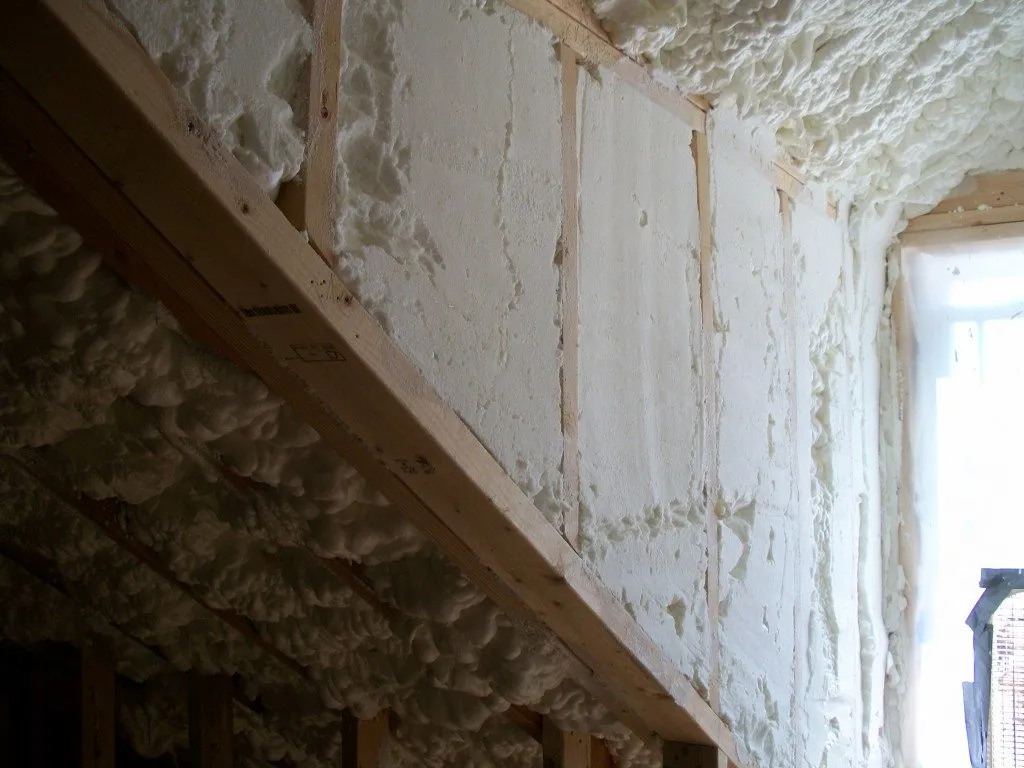
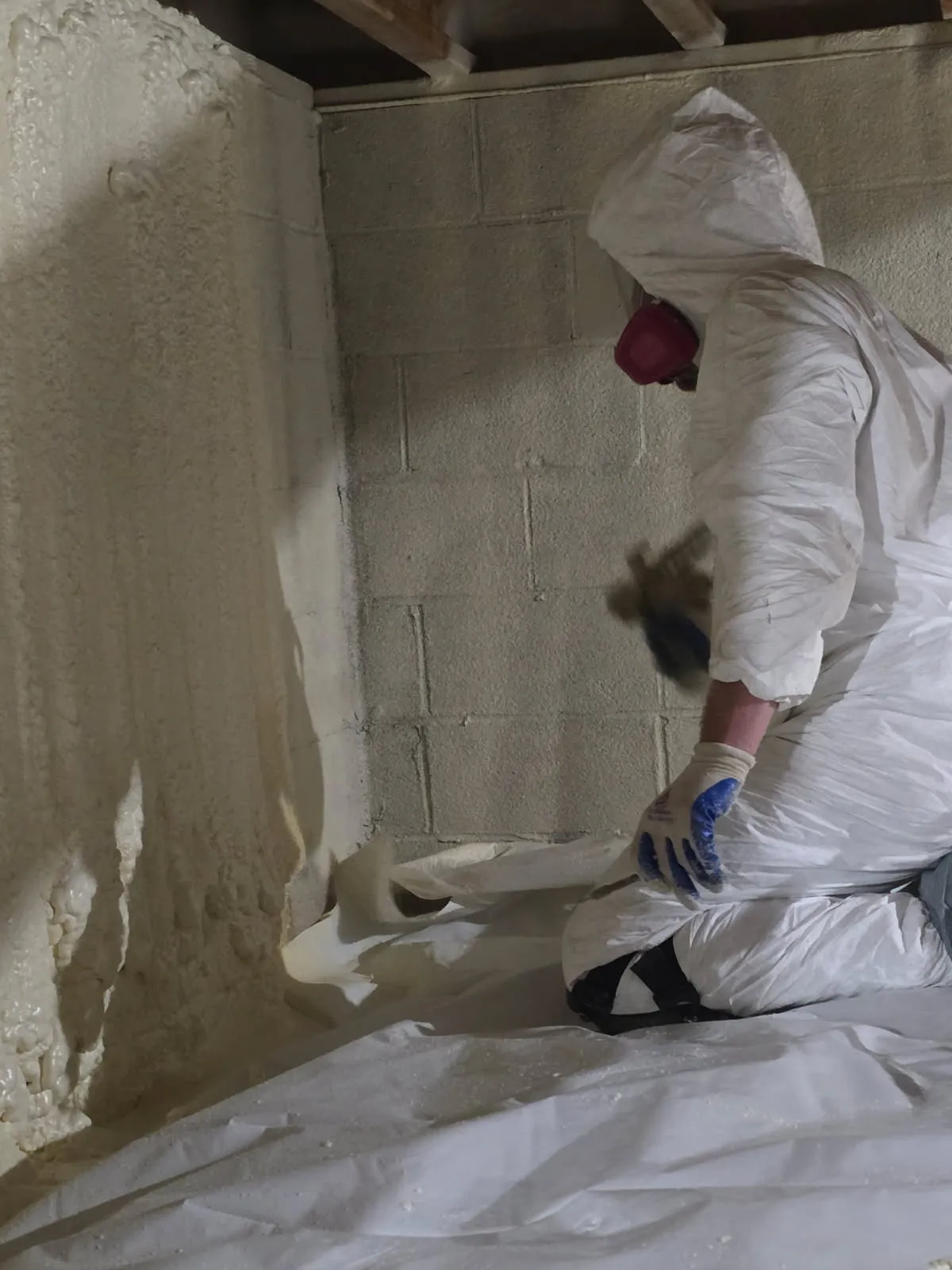
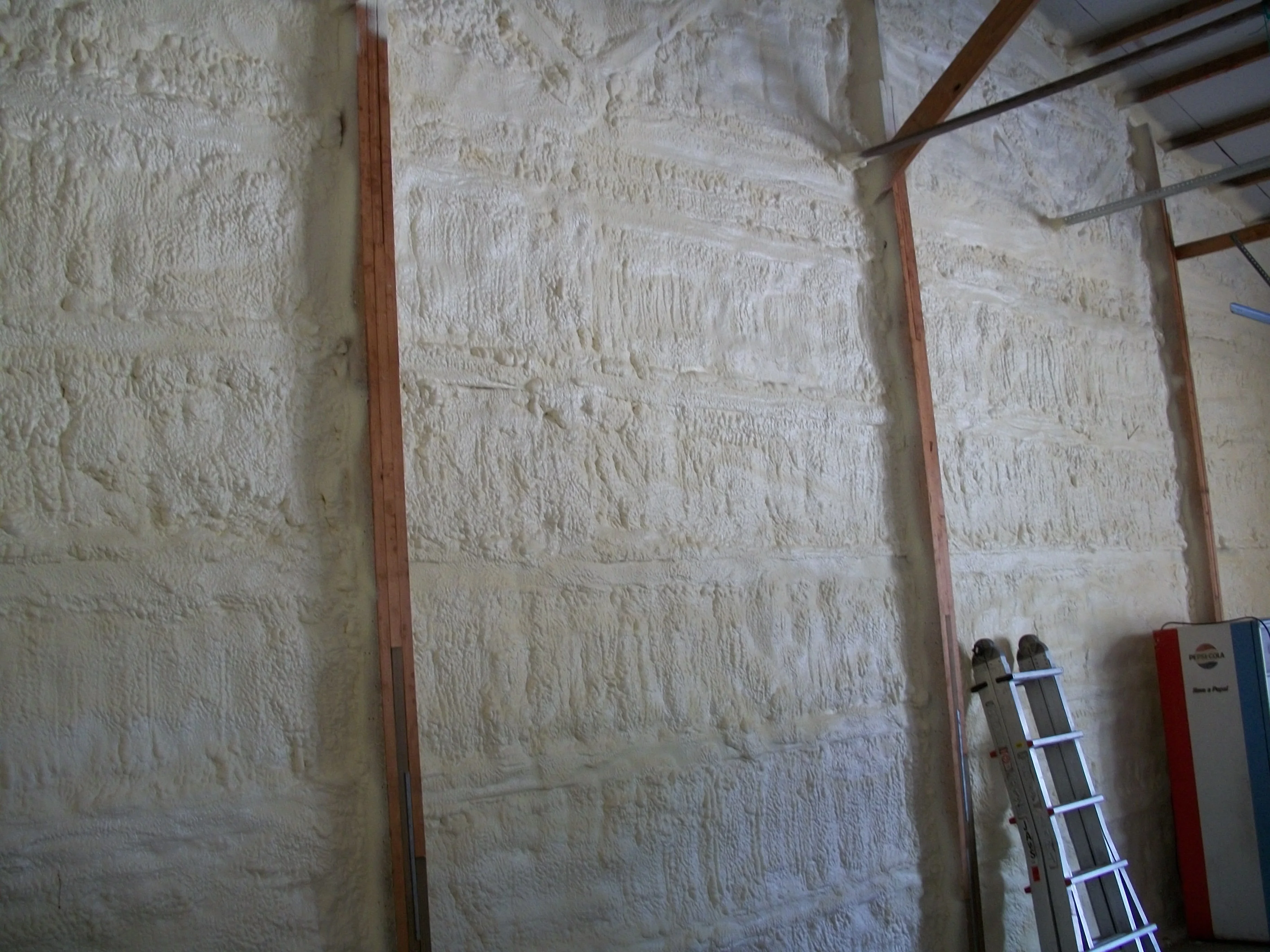
Attic insulation failures account for 25–30% of total building heat loss in Indiana's Climate Zone 5. We address this with spray foam applied either to the attic floor (vented attic configuration) or the roof deck (conditioned attic configuration), depending on the building's HVAC layout and intended use. Every application is thickness-verified before the crew leaves.
Attic insulation failures account for 25–30% of total building heat loss in Indiana's Climate Zone 5. The mechanism is straightforward thermodynamics: heated air rises via natural convection, encounters the ceiling plane, and transfers energy through conduction and air leakage into the unconditioned attic space. The stack effect — pressure differential created by warm air rising — drives conditioned air out through every unsealed penetration in the ceiling plane: recessed lights, plumbing vents, electrical chases, and HVAC duct boots.
Spray foam insulation addresses both the conductive and convective components of attic heat loss simultaneously. Unlike fiberglass batts (which provide thermal resistance but zero air sealing), spray foam creates a monolithic air and thermal barrier. Open-cell foam applied to the attic floor at 10–14 inches achieves R-37 to R-49+, meeting or exceeding IRC 2021 requirements for Climate Zone 5. Closed-cell foam applied to the roof deck at 3–4 inches delivers R-19.5 to R-26 with integrated vapor retarder properties — the preferred approach when HVAC equipment or ductwork resides in the attic.
The distinction between air barrier and thermal barrier is critical in attic applications. A thermal barrier (R-value) slows conductive heat transfer. An air barrier stops convective heat transfer — the movement of air itself through gaps and cracks. Fiberglass batts provide thermal resistance but no air barrier; spray foam provides both. Blower door testing commonly shows 30–50% reductions in air changes per hour (ACH50) after spray foam attic insulation versus batt insulation alone.
For Kokomo and North Central Indiana homes, we evaluate each attic individually: roof geometry, existing ventilation design, HVAC location, and moisture load all factor into the open-cell vs. closed-cell recommendation. Vented attic assemblies with floor-applied open-cell remain the most cost-effective approach for homes with attic HVAC in conditioned space. Unvented conditioned attics with roof-deck-applied foam are specified when ductwork runs through the attic or when the space will serve as living area.
Open-cell attic insulation starts at $0.35–0.45 per board foot. Closed-cell roof deck applications start at $1.25–1.40 per board foot. Use our cost calculator for a preliminary estimate, or call to schedule a free evaluation of your attic assembly.
Related
Attic-focused pages for roof decks, air sealing, foam type selection, and cost planning.
Detail-work pages for penetrations, window and door sealing, and code-focused caulking.
Tell us what you need and we'll get back to you with a free estimate.
Proudly providing service across these communities
Free estimate with transparent pricing.