Spray Foam Insulation
Core spray foam pages that explain material types, costs, R-values, and common alternatives.
Two popular attic options, two very different jobs — compared for homes and metal-roofed buildings around Kokomo. Here's how cost, R-value, and air-sealing really stack up.
Quick Answer
Blown-in cellulose is cheaper (about $0.60 to $2.30 per square foot installed) and great for covering an open attic floor to R-49. Spray foam costs more but air-seals — which blown-in doesn't — and works on rooflines and walls cellulose can't. For a vented attic floor, blown-in wins on price; for a sealed attic, air-leakage problems, or a finished roofline, spray foam wins on performance.
| Feature | Spray Foam | Blown-In Cellulose |
|---|---|---|
| Air Seal | Yes — seals gaps and penetrations | No (partial if dense-packed) |
| R-Value per Inch | R-3.6 (open-cell) to R-6.5 (closed-cell) | R-3.2 to R-3.8 |
| Installed Cost | Higher | Lower ($0.60 - $2.30 per sq ft) |
| Best Location | Rooflines, walls, sealed attics | Open, vented attic floors |
| Moisture Barrier | Closed-cell only | No |
| Settling Over Time | None | Settles 10% to 20%, reducing R-value |
Air Seal
Yes — seals gaps and penetrations
No (partial if dense-packed)
R-Value per Inch
R-3.6 (open-cell) to R-6.5 (closed-cell)
R-3.2 to R-3.8
Installed Cost
Higher
Lower ($0.60 - $2.30 per sq ft)
Best Location
Rooflines, walls, sealed attics
Open, vented attic floors
Moisture Barrier
Closed-cell only
No
Settling Over Time
None
Settles 10% to 20%, reducing R-value
Pros
Cons
Pros
Cons
Our Verdict
Spray foam and blown-in aren't really competitors — they solve different problems. Blown-in cellulose is the cost-effective way to bury an open attic floor in R-49. Spray foam is what you use when you need an air seal or you're insulating the roofline itself. We'll tell you which your attic actually needs on a free quote. For attic-specific guidance, see our Best Insulation for Attics guide.
It depends on the attic. For an open, vented attic floor, blown-in cellulose to R-49 is more cost-effective. For a sealed attic, a finished roofline, or a home with serious air leakage, spray foam is better because it air-seals — something blown-in can't do.
Not directly. Spray foam needs to bond to a clean substrate like the roof deck or framing, so loose blown-in material in the path of a roofline application should be removed first. If you're insulating the attic floor instead, adding more blown-in on top of existing blown-in is straightforward.
Spray foam lasts the life of the building without settling or losing R-value. Blown-in cellulose settles 10% to 20% over time, which lowers its effective R-value and may eventually call for a top-up. That durability is part of spray foam's long-term value.
Spray foam's air seal usually gives it the edge. The EPA estimates that sealing air leaks and adding insulation cuts heating and cooling costs by about 15% on average, and blown-in alone doesn't stop air movement. On an open attic floor with good existing air sealing, though, blown-in to R-49 performs well for far less money.
Related
Core spray foam pages that explain material types, costs, R-values, and common alternatives.
Attic-focused pages for roof decks, air sealing, foam type selection, and cost planning.
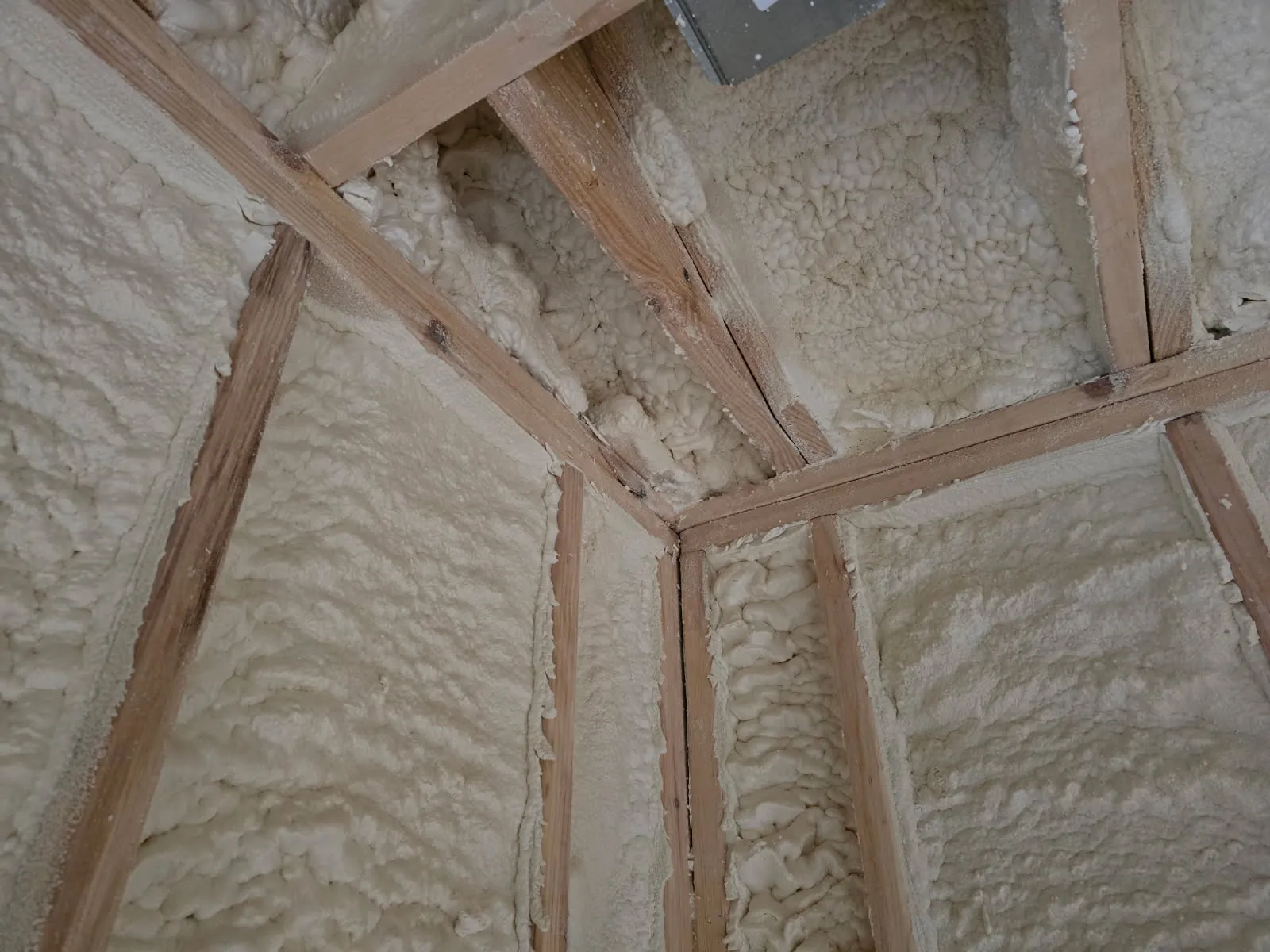
R-3.6 per inch with excellent air sealing and sound dampening. Ideal for new construction, multi-family, and commercial interiors.
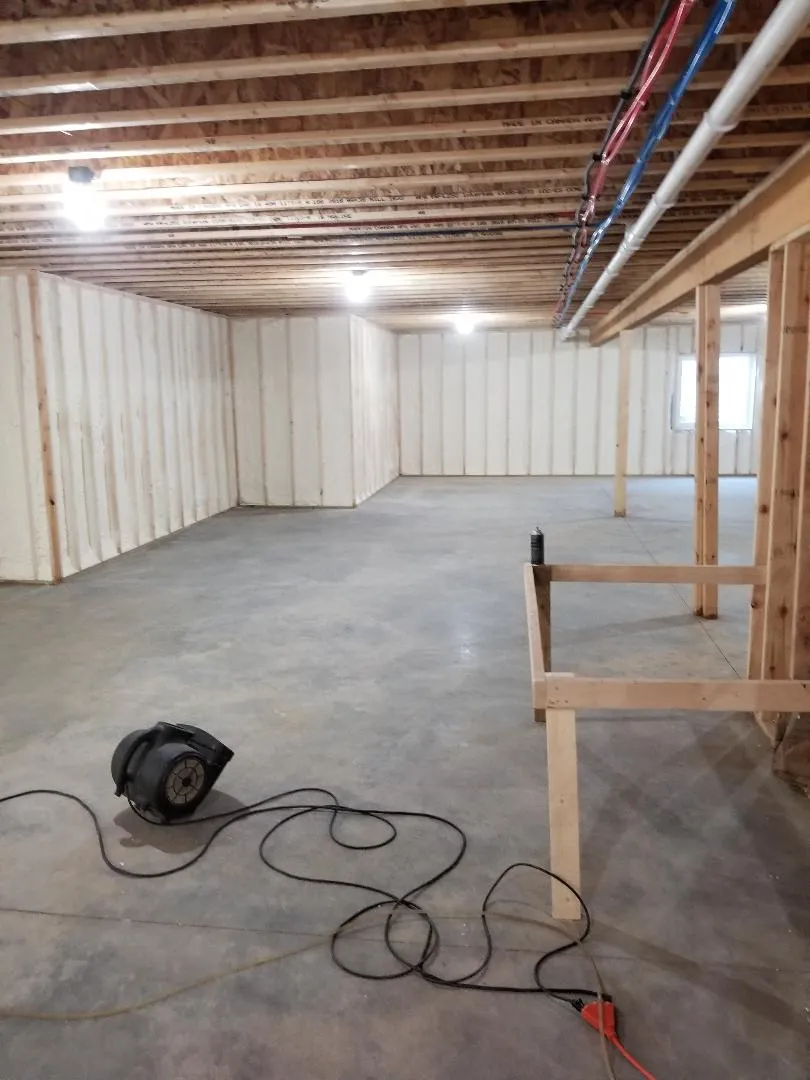
R-6.5 per inch with integrated vapor barrier and structural racking strength. The standard for commercial exteriors, metal buildings, and cold storage.
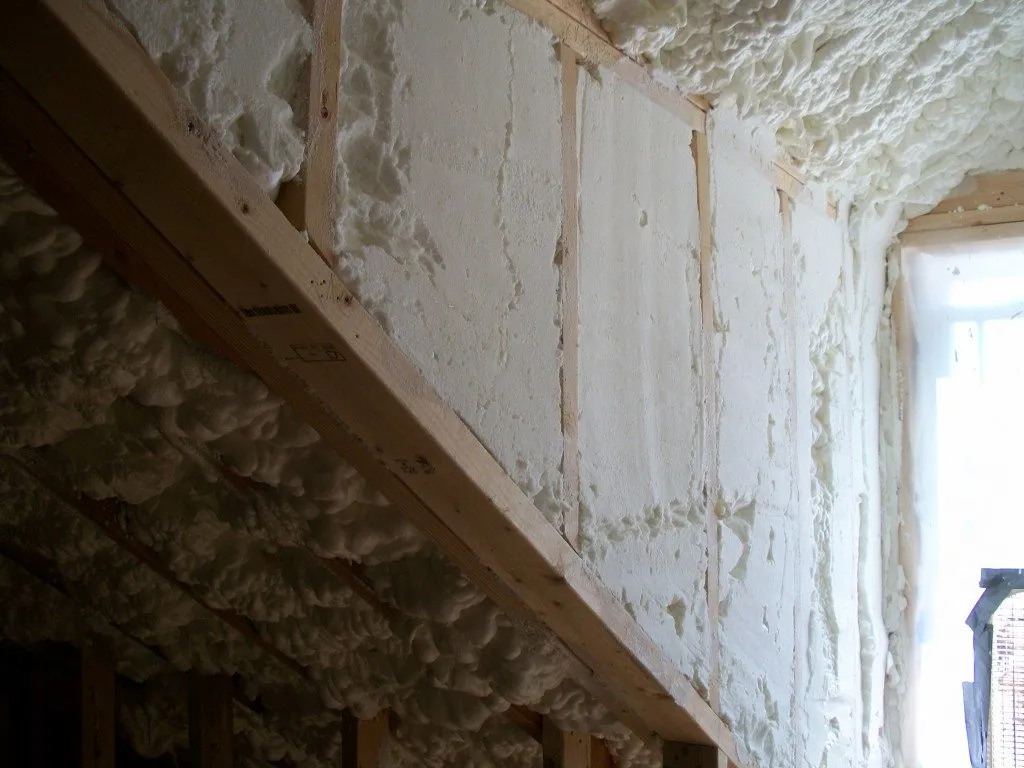
Stop losing heat through your roof. Attic spray foam targets the biggest source of energy loss in Indiana homes.
Get a free, no-obligation quote today.