Attic Insulation
Attic-focused pages for roof decks, air sealing, foam type selection, and cost planning.
Older homes, newer builds, and metal-roofed buildings — how to hit R-49 the right way for your structure.
Quick Answer
For a vented attic floor, blown-in cellulose or fiberglass to R-49 is the most cost-effective fix. For sealed attics, finished rooflines, or metal-roofed buildings around Kokomo, open-cell or closed-cell spray foam at the roof deck seals and insulates in one pass. Indiana's energy code calls for R-49 in the attic.
| Feature | Spray Foam (Open-Cell) | Blown-In / Fiberglass Batts |
|---|---|---|
| R-Value per Inch | R-3.6 per inch | R-2.5 (loose-fill) to R-3.8 (high-density batts) per inch |
| Air Sealing | Yes — complete air barrier at roofline | None — air leaks through and around material |
| Installation Location | Rafters / roofline (creates conditioned attic) | Attic floor (attic remains unconditioned) |
| Thickness for R-49 | ~13.5 inches of open-cell foam | ~16-22 inches depending on material |
| Protects Ductwork | Yes — ductwork is inside conditioned space | No — ducts remain in extreme attic temperatures |
| Settling Over Time | None — maintains R-value permanently | Blown-in settles 10-20% within 5 years; batts can sag over time |
| Installed Cost (1,500 sq ft attic) | $3,500 - $6,000 | $1,200 - $2,500 |
| Typical Energy Savings | ~15% on heating/cooling (EPA seal-and-insulate estimate) | Less — air leakage through the attic floor limits it |
R-Value per Inch
R-3.6 per inch
R-2.5 (loose-fill) to R-3.8 (high-density batts) per inch
Air Sealing
Yes — complete air barrier at roofline
None — air leaks through and around material
Installation Location
Rafters / roofline (creates conditioned attic)
Attic floor (attic remains unconditioned)
Thickness for R-49
~13.5 inches of open-cell foam
~16-22 inches depending on material
Protects Ductwork
Yes — ductwork is inside conditioned space
No — ducts remain in extreme attic temperatures
Settling Over Time
None — maintains R-value permanently
Blown-in settles 10-20% within 5 years; batts can sag over time
Installed Cost (1,500 sq ft attic)
$3,500 - $6,000
$1,200 - $2,500
Typical Energy Savings
~15% on heating/cooling (EPA seal-and-insulate estimate)
Less — air leakage through the attic floor limits it
If you have a traditional vented attic with soffit and ridge vents, the conventional approach is insulating the attic floor. Blown-in cellulose or fiberglass at R-49 or higher works well here. The attic remains unconditioned, and existing ventilation handles moisture. Important: before adding insulation, seal all ceiling penetrations — recessed lights, plumbing stacks, electrical boxes, and the attic hatch — with caulk or spray foam. The DOE identifies air sealing as the single most important step before adding attic insulation.
Blown-in cellulose (R-49) — most cost-effective for floor insulationSpray foam applied to the underside of the roof deck seals and insulates the attic, bringing it inside the building envelope. This is the best approach when ductwork, HVAC equipment, or storage is in the attic. The attic stays close to indoor temperature year-round.
Open-cell spray foam (R-38 to R-49 at the roofline)Cathedral ceilings and knee walls leave no room for thick blown-in insulation. Closed-cell spray foam's high R-value per inch (R-6.5 to R-7) maximizes thermal performance in the limited rafter depth available.
Closed-cell spray foam (maximizes R-value in limited depth)If current fiberglass batts are sagging, compressed, or moisture-damaged, they should be removed before re-insulating. This is an opportunity to upgrade to spray foam at the roofline or to start fresh with blown-in cellulose on the attic floor.
Remove old material, then spray foam or blown-in celluloseCommercial and industrial buildings with flat or low-slope roofs lose significant energy through the roof assembly. Closed-cell spray foam applied to the underside of commercial roof decks insulates, air-seals, and provides a vapor barrier in a single application — reducing energy costs and preventing condensation issues in large open spans.
Closed-cell spray foam (commercial-grade thermal and moisture barrier)Pros
Cons
Pros
Cons
Our Verdict
A vented attic in an older Kokomo home: blown-in to R-49. A finished roofline or a metal building: spray foam at the deck. We'll match the method to your structure on a free quote.
Indiana is in DOE Climate Zone 5, which recommends R-49 to R-60 for attic insulation. Current building code requires a minimum of R-49 in the attic for new construction. Many older Indiana homes have only R-19 to R-30, meaning an upgrade can cut heating costs significantly.
If your HVAC ductwork or equipment is in the attic, insulate the roofline with spray foam to bring everything inside the conditioned envelope. If your ducts are entirely within the living space (or there is no ductwork in the attic), insulating the floor with blown-in material is more cost-effective.
It is not recommended. Old fiberglass should be removed before applying spray foam. Layering spray foam over fiberglass can trap moisture between the materials, reduce adhesion, and prevent proper cavity inspection. The removal cost is modest and ensures the new insulation system performs correctly.
For a typical 1,500 sq ft attic, open-cell spray foam insulation to R-38 costs approximately $3,500 to $6,000. Achieving R-49 pushes the cost to $4,500 to $7,500 due to increased material thickness. Blown-in cellulose for the same area runs $1,200 to $2,500 at R-49. Installed project costs include labor, prep, equipment, and accessibility factors — actual quotes will differ from per-board-foot material rates. The spray foam investment typically pays back within 3 to 7 years through energy savings.
Absolutely. An uninsulated or poorly insulated attic can exceed 130 degrees Fahrenheit in summer, radiating heat into your living space. Proper attic insulation — especially spray foam at the roofline — keeps the attic within 5 to 10 degrees of indoor temperature, dramatically reducing air conditioning load and improving upstairs comfort.
Signs your attic insulation needs attention include: uneven temperatures between rooms, high energy bills that increase year over year, visible gaps or thin spots in existing insulation, fiberglass batts that are sagging or compressed, ice dams forming on the roof in winter, or the attic being noticeably hotter or colder than the rest of the house. An energy audit with a blower door test provides the most accurate assessment.
Related
Attic-focused pages for roof decks, air sealing, foam type selection, and cost planning.
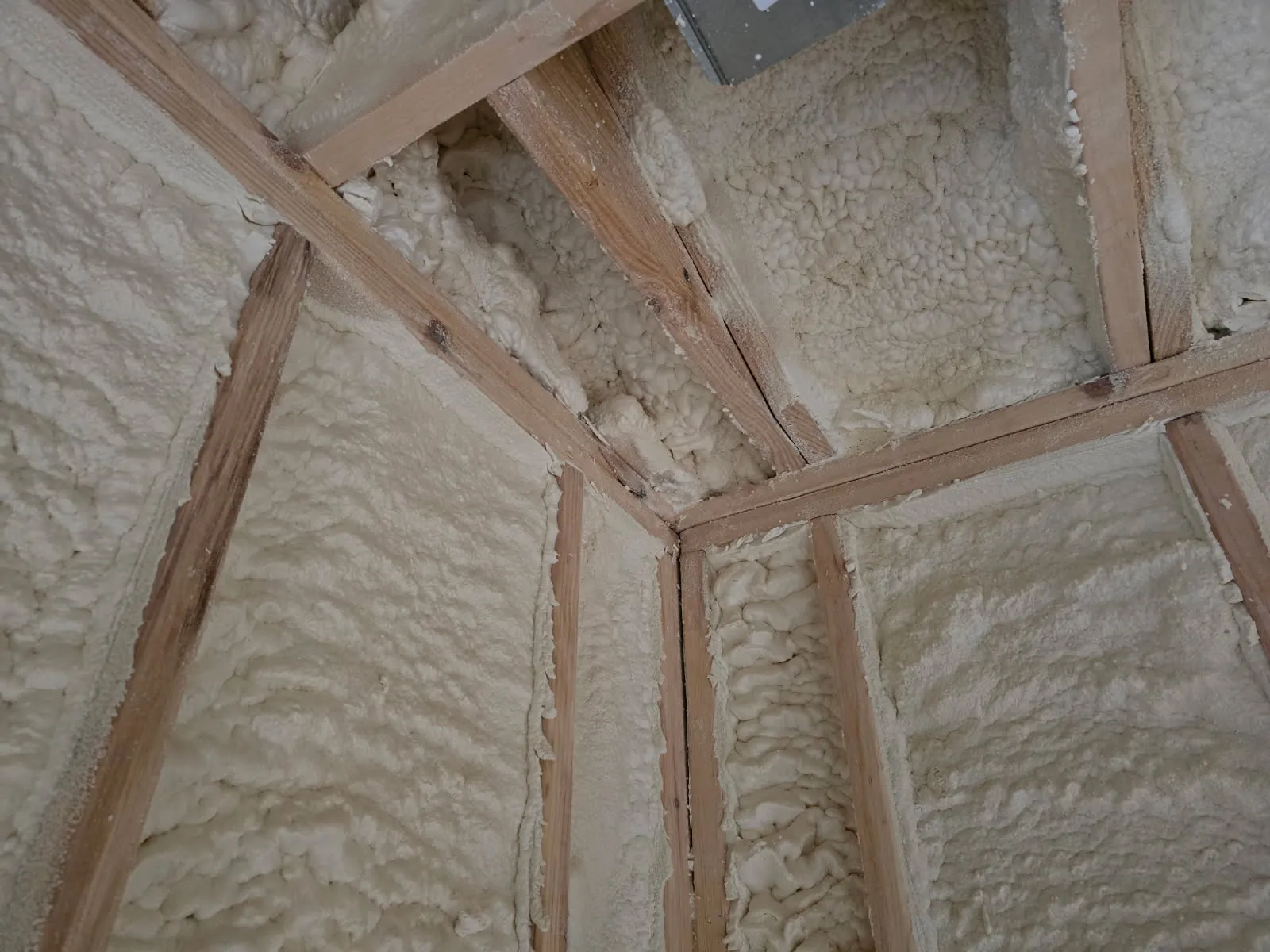
R-3.6 per inch with excellent air sealing and sound dampening. Ideal for new construction, multi-family, and commercial interiors.
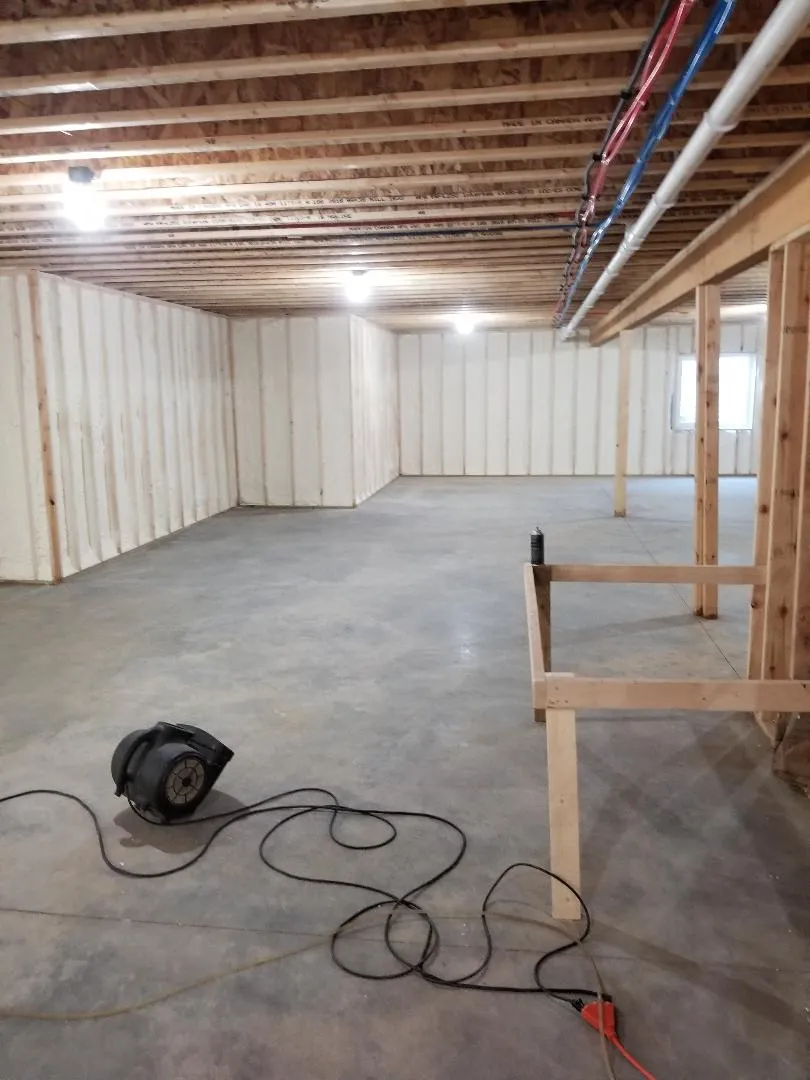
R-6.5 per inch with integrated vapor barrier and structural racking strength. The standard for commercial exteriors, metal buildings, and cold storage.
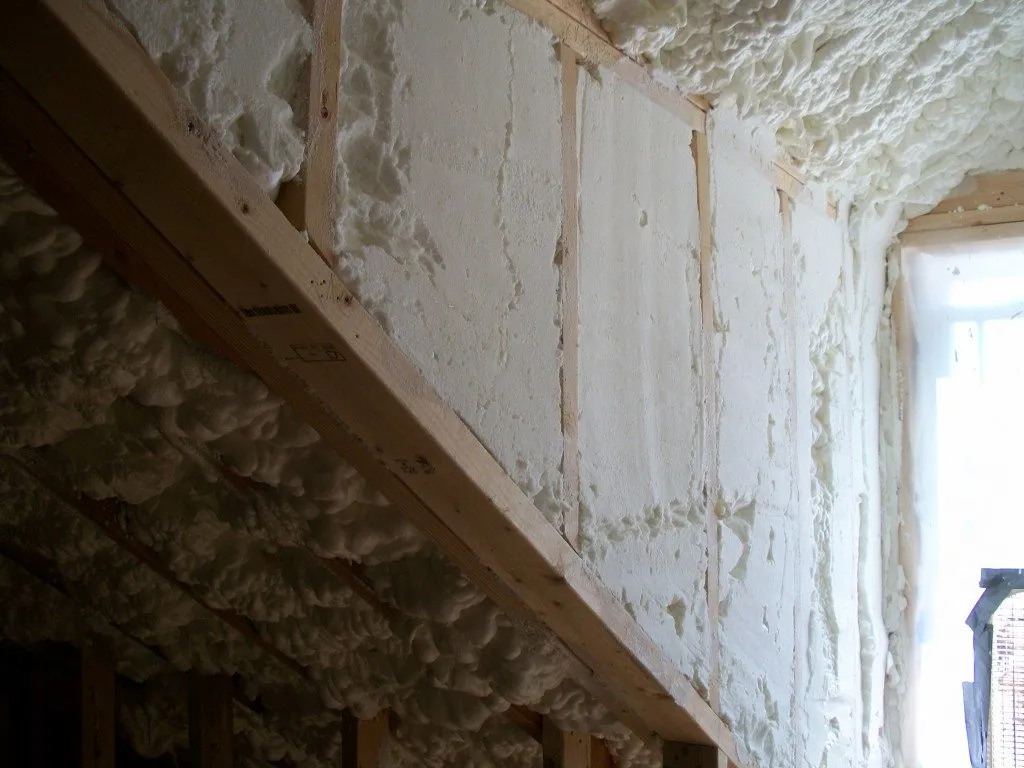
Stop losing heat through your roof. Attic spray foam targets the biggest source of energy loss in Indiana homes.
Get a free, no-obligation quote today.